Audience &channel strategy
Reach the right people in the right places.
Marketing channels only work when they align with audience behaviour. We help organisations understand how different audiences discover, research and engage across digital platforms – then build channel strategies designed around visibility, engagement and commercial performance.

Be in the know
Audience & channel strategy
Channel strategy fails when businesses focus on platforms before audiences.
Many organisations build marketing plans around channels they believe they should use rather than how customers actually behave.
A business may invest heavily in social platforms that generate engagement but little commercial value. Search campaigns may target high-volume terms without understanding intent. Email programmes may exist in isolation from broader customer journeys. Content may be created for internal stakeholders rather than audience demand.
This disconnect creates inefficiency across marketing activities.
Audiences move fluidly between search, social, email, paid media, communities, AI-powered discovery platforms and offline interactions before making decisions. Different audiences also behave differently depending on intent, product complexity, purchase cycle and trust requirements.
Submerge helps organisations build audience and channel strategies grounded in behaviour rather than assumption.
We analyse audience intent, platform behaviour, discovery patterns, engagement signals, journey progression and conversion pathways to understand where audiences spend time, how they evaluate options and which channels influence decision-making at different stages of the journey.
A strong channel strategy is not about maximising presence everywhere.
It is about understanding:
- where attention already exists
- which channels influence trust
- how audiences move between touchpoints
- where demand is created
- how channels support each other
- and how marketing investment should be prioritised over time.
The result is a clearer, more commercially aligned approach to visibility, engagement and growth.

SEMrush Agency Partner
We’re a fully Certified SEMrush Agency Partner – advanced search intelligence supporting schema analysis, structured visibility reviews and technical search optimisation.
WP Engine Agency Partner
We’re a Certified WP Engine Agency Partner – technical WordPress expertise supporting scalable schema implementation and machine-readable site structures.

Cyber Essentials Certified
We’re Cyber Essentials Certified – security-conscious technical delivery aligned with recognised UK cybersecurity standards.







Trusted by brands including






Audience and channel strategic expertise
Audience analysis
A strong marketing strategy starts with understanding audience behaviour in detail.
We analyse how different audiences search, compare, evaluate and engage across digital platforms. This includes examining intent patterns, engagement signals, search behaviour, content interaction, demographic trends, platform preferences and conversion pathways across different stages of the customer journey.
Different audiences rarely behave in the same way. A B2B buyer researching a complex procurement decision behaves very differently from a consumer making an impulse ecommerce purchase. The platforms, messaging, trust signals and touchpoints influencing those journeys can vary significantly.
Understanding these behavioural differences helps organisations align channel investment, messaging and content strategy more effectively around real audience demand.
Audience behaviour analysis
Search intent research
Engagement pattern analysis
Journey-stage audience mapping

Channel strategy
Many businesses spread investment too thinly across channels without clear strategic prioritisation.
An effective channel strategy requires understanding which platforms influence awareness, consideration, conversion and retention across different audience groups. Search may drive high-intent demand, while paid social supports audience discovery, and remarketing reinforces conversion pathways. Email may nurture longer journeys while organic content strengthens authority and visibility over time.
We help organisations evaluate channel roles, investment priorities and acquisition opportunities across search, social, paid media, email, content and emerging AI-driven discovery environments.
The objective is not simply more channel activity.
It is building a coordinated channel ecosystem in which platforms strategically support each other across the wider customer journey.
Multi-channel planning
Channel role definition
Acquisition strategy alignment
Budget & investment prioritisation

Journey mapping
Customer journeys are rarely linear.
Users may move between multiple touchpoints before converting – discovering a brand through search, engaging with paid social, returning through direct visits, consuming content over time and eventually converting after multiple interactions across channels.
We map these journeys to understand how audiences move through awareness, consideration and conversion stages. This includes identifying friction points, assisted touchpoints, engagement gaps and behavioural drop-offs that affect acquisition and conversion performance.
Journey mapping also helps organisations understand where channels support each other operationally rather than evaluating performance in isolation.
Cross-channel journey analysis
Touchpoint interaction mapping
Funnel & pathway reviews
Assisted engagement analysis

Performance optimisation
Channel strategy should evolve continuously as audiences, platforms and behaviours change.
We help businesses refine targeting, messaging, channel allocation and acquisition strategy using performance data, behavioural analysis and ongoing optimisation frameworks. This includes evaluating engagement quality, conversion behaviour, audience segmentation, acquisition efficiency and commercial outcomes across different channels and campaigns.
Optimisation also increasingly requires balancing short-term performance channels with longer-term visibility and demand-generation activity. Businesses relying too heavily on a single acquisition source often create strategic risk as platforms and algorithms evolve.
Strong optimisation frameworks help organisations adapt more confidently over time while improving efficiency across the wider marketing ecosystem.
Channel performance analysis
Audience segmentation refinement
Conversion optimisation strategy
Long-term acquisition planning


Audience behaviour is becoming more fragmented.
Search engines are no longer the only place audiences discover brands, products and services.
Social platforms, communities, recommendation systems, AI-generated search experiences and conversational interfaces are reshaping how people research and evaluate decisions online. At the same time, customer journeys are becoming less predictable and increasingly multi-platform.
This means channel strategy now requires a broader understanding of digital behaviour. Organisations that align channels around audience behaviour – rather than platform trends alone – are often better positioned to build stronger visibility, engagement and long-term growth.
Start with an audience & channel strategy
Understand how effectively your marketing channels align with audience behaviour and commercial goals.
We assess audience intent, channel performance, journey behaviour, acquisition pathways, conversion patterns, engagement quality, investment allocation and growth opportunities.
Strategic growth success stories

Opportunity Green
Learn how Submerge redesigned and developed Opportunity Green's new WordPress website to support tackling climate change.
Bill Wyman
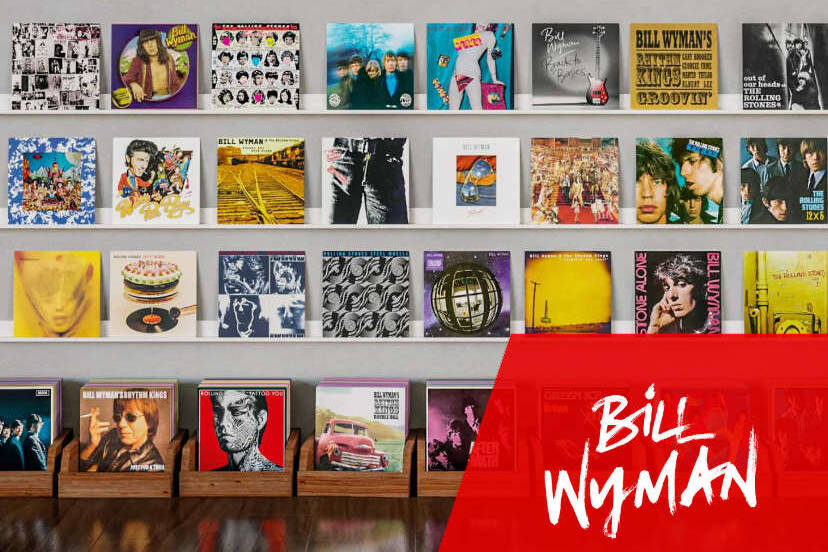
Explore our web design and content marketing work with Bill Wyman, former bass player with the Rolling Stones. Full site design and build.

Ascentor
Discover our work with Ascentor. Learn how our web development delivered impressive results, driving Ascentor's online growth and success.

Orion Registrar, Inc.
Read our web development and migration case study detailing how Submerge transformed Orion Registrar's website with a focus on SEO.

ISO 9001
Building global search visibility for a certification leader – 312% organic traffic growth and 400% CTR boost in six months.

Laithwaites
Learn how Submerge worked with Laithwaites UK team boosting SEO, content strategy, and performance monitoring for success.
The best channels are the ones your audience already trusts.
Marketing teams often focus heavily on platform tactics while overlooking the broader behavioural patterns shaping customer decisions. Different audiences engage with channels differently depending on intent, trust, complexity and stage of the journey.
A joined-up audience and channel strategy connects these behaviours together. Instead of treating SEO, paid media, social and content as isolated activities, organisations can build more coordinated acquisition ecosystems designed around how people actually discover, evaluate and convert.
80%
Of Reddit users agree some questions can only be answered by people, not AI.
69%
Of searchers user AI to research a specific product.
60%
Percentage of Google searches made on mobile devices.
90%
The percentage bounce rate increases for sites loading longer than 5 seconds.

“We’ve been delighted with Submerge and their wealth of knowledge of SEO. They’ve helped us increase traffic by over 300% y-o-y from all channels, including email, organic and social, in just three months.”
Marie-Claire Dixon
Head of Digital, Riviera Travel
Say hello to Submerge

Matthew Bath

Lynn Wright

Marc Bodger

Aimee Lashko-Sayers

Lara Palamoudian

Nicole Percival

Jesse Hopkins
Strategic expertise built around audience behaviourBook a consultation
Discover our latest guides, advice and insights
for audience strategy and channel planning

0 Comments22 Minutes
SEO copywriting checklist for in-house editors
Improve your in-house content with a practical SEO copywriting checklist that improves clarity, search visibility and…

0 Comments17 Minutes
Your guide to the new Google search bar in 2026
Google underwent a major update to keep up with changing search behaviour. Learn how this could impact your business and…

0 Comments17 Minutes
What Google’s new AI version of search means for your business’s visibility
Google Search is changing to better fit its users' changing needs and expectations. Learn how this change will impact your…
Audience and channel strategy FAQs
Audience and channel strategy is the process of identifying how different customer groups discover, evaluate and engage with brands across digital platforms – then aligning marketing channels around those behaviours.
Rather than starting with platforms alone, an effective strategy begins by understanding audience intent, decision-making patterns, trust signals and conversion pathways. This helps organisations determine which channels are most effective at different stages of the customer journey and how those channels should work together operationally.
A well-developed channel strategy also helps businesses prioritise investment more effectively by focusing on the channels most likely to influence meaningful commercial outcomes rather than simply generating visibility or engagement in isolation.
Related expertise:
- Audience analysis
- Channel planning
- Journey mapping
Many organisations build channel plans reactively rather than strategically.
New platforms emerge, competitors launch campaigns, or internal stakeholders request activity in channels without fully understanding whether those channels align with audience behaviour or business goals. This often leads to fragmented activity, duplicated effort and inconsistent performance across marketing teams.
Businesses also frequently evaluate channels in isolation. SEO, paid media, social and email may all be managed separately, even though they contribute to the same customer journeys. Without a joined-up strategy, organisations can struggle to understand how channels collectively support awareness, engagement and conversion.
Related expertise:
- Multi-channel strategy
- Attribution & measurement
- Audience insight analysis
Customer journeys influence which channels matter most at different stages of decision-making.
A user discovering a brand for the first time may engage through social content, search or recommendations. Later interactions may involve remarketing, email nurturing, organic research, AI-generated discovery, or direct website visits before conversion.
This means effective channel planning needs to account for assisted interactions and cross-channel influence rather than relying solely on last-click attribution. Different channels often play different strategic roles within the wider journey.
Understanding these pathways helps businesses allocate investment more intelligently and create stronger alignment between acquisition, nurturing and conversion activity.
Related expertise:
- Journey mapping
- Assisted conversion analysis
- Channel interaction reviews
The right channel mix depends on audience behaviour, commercial objectives, market conditions and customer journey complexity.
Search engines remain highly important for capturing demand and high-intent traffic, while paid social may support audience discovery and awareness generation. Email often performs strongly for nurturing and retention, while content marketing helps strengthen AI visibility and authority over time.
The key is understanding which channels influence different stages of the journey and how they interact with one another. An effective strategy focuses less on being present everywhere and more on aligning investment around audience behaviour and measurable outcomes.
Related expertise:
- Channel prioritisation
- Acquisition strategy
- Audience behaviour analysis
AI-powered discovery is changing how audiences research and evaluate brands online.
Users increasingly encounter businesses through AI-generated search experiences, conversational interfaces and recommendation systems rather than relying solely on traditional search results. This creates new discovery pathways that organisations need to consider within broader channel strategies.
AI also affects how content is surfaced, summarised and interpreted across digital environments. Businesses, therefore, increasingly need strategies that combine traditional search visibility with structured discoverability, semantic clarity and broader authority-building activity.
Related expertise:
- AI & LLM visibility
- Search strategy
- Discoverability planning
Journey mapping analyses how users move through awareness, consideration and conversion stages across channels and touchpoints.
This includes identifying:
- entry channels
- assisted touchpoints
- content interaction
- engagement sequences
- conversion pathways
- friction points
- behavioural drop-offs
Journey mapping helps organisations understand where audiences gain trust, where momentum is lost and how different channels contribute to progression over time.
It also creates stronger alignment between channel activity, content strategy and conversion optimisation.
Related expertise:
- Conversion pathway analysis
- Behavioural analytics
- Cross-channel optimisation
Channel performance should be measured using a combination of visibility, engagement and commercial KPIs rather than relying on isolated metrics alone.
Traffic and impressions can be useful indicators, but they rarely explain the full commercial picture. Businesses also need visibility into lead quality, assisted conversions, engagement depth, customer acquisition cost, ROAS, retention behaviour and revenue contribution across different channels.
Strong measurement frameworks help organisations evaluate both short-term efficiency and longer-term growth contribution across the wider acquisition ecosystem.
Learn more about our analytics and tracking services.
Related expertise:
- KPI reporting
- Attribution modelling
- Performance audits
Different audience groups often behave differently across channels, devices and stages of the customer journey.
Segmentation helps businesses understand how messaging, platform usage, trust signals and conversion behaviour vary across different customer types. This allows organisations to tailor content, acquisition strategy and channel investment more effectively around different audience needs.
Segmentation may be based on demographics, intent, engagement behaviour, lifecycle stage, commercial value or acquisition source, depending on the organisation’s goals and data maturity.
Related expertise:
- Audience segmentation analysis
- Behavioural reporting
- Conversion optimisation strategy
Channel strategies should evolve continuously rather than remaining fixed annual plans.
Audience behaviour, search trends, platform algorithms, AI-driven discovery and acquisition costs all change over time. Channels that previously delivered strong performance may gradually become less effective, while emerging opportunities may create new growth pathways.
Regular strategic reviews help businesses adapt more effectively to changing market conditions while improving investment allocation and long-term acquisition efficiency.
Related expertise:
- Ongoing performance optimisation
- Market trend analysis
- Strategic reporting frameworks
If you’re not visible
nothing else matters.
Let’s understand where you stand today – and where the opportunities are.
Get in touch and let’s chat about your project.