Indexation & crawloptimisation
Helping search engines find what matters.
Search engines cannot rank, reference or surface pages they struggle to crawl or understand. We’re an indexation and website crawlability agency helping businesses optimise crawl efficiency, indexation pathways and technical accessibility to improve discoverability across search and AI-driven platforms.

Technical expertise for indexation and crawlability
Search engines can only rank what they can efficiently crawl.
Crawlability and indexation sit at the heart of modern technical SEO.
Search engines rely on crawlers to discover content, interpret site structures and determine which pages should appear in search results. Weak crawl pathways, inefficient architectures, rendering issues, duplication and poor indexation controls can all reduce how effectively websites are discovered and processed.
These challenges become even more significant on large or complex websites.
Enterprise platforms, ecommerce stores, faceted navigation systems and content-heavy sites often generate huge volumes of URLs that dilute crawl efficiency and create indexation noise. In some cases, search engines may take years to consistently process and prioritise a site’s important sections.
We guide businesses to strengthen technical discoverability through crawl optimisation and indexation strategy.
We analyse crawl behaviour, rendering pathways, canonicalisation, internal linking, crawl budget allocation, XML sitemaps and indexation controls to improve how search engines and AI systems access and interpret content.
Modern crawl optimisation is no longer simply about indexing more pages.
It is about helping search engines understand:
- which content matters
- how pages relate to each other
- where authority should flow
- which URLs should be prioritised
- and how websites should be efficiently processed at scale.

SEMrush Agency Partner
We’re a fully Certified SEMrush Agency Partner – enterprise-level technical analysis supporting crawl diagnostics, indexation reviews and large-scale search visibility optimisation.
WP Engine Agency Partner
We’re a Certified WP Engine Agency Partner – performance-focused WordPress expertise supporting technically accessible and crawl-efficient websites.

Cyber Essentials Certified
We’re Cyber Essentials Certified – Security-conscious technical delivery aligned with recognised UK cybersecurity standards.






Trusted by brands including






Indexation & crawlability expertise
Crawl optimisation
Search engines allocate finite crawl resources across websites. Weak internal linking, faceted navigation, duplicate URLs, parameter bloat and poor architecture can all reduce crawl efficiency and waste crawl budget on low-value or non-indexable pages.
We help businesses improve how search engines access and prioritise important content. This includes refining internal linking structures, improving crawl pathways, reducing unnecessary URL generation and strengthening technical accessibility across large or complex websites.
Effective crawl optimisation helps search engines spend more time discovering and processing commercially important pages rather than wasting resources on duplicated or low-priority content.
Crawl pathway analysis
Crawl budget optimisation
URL structure refinement
Internal linking optimisation

Indexation strategy
Not every page should be indexed.
Many websites unintentionally surface duplicate, low-value or thin pages that dilute authority and create indexation noise across search engines. Poor canonicalisation, weak directives and inconsistent indexing controls can make it harder for search engines to prioritise important content.
We help businesses build clearer indexation frameworks using canonicals, robots directives, noindex strategies, XML sitemaps and structured crawl signals. A strong indexation strategy helps search engines better understand which pages should rank, which should consolidate authority and which should remain excluded from search results.
This becomes increasingly important across large-scale websites where inefficient indexation can significantly reduce organic performance.
Canonicalisation strategy
XML sitemap optimisation
Robots & noindex management
Duplicate URL consolidation

Crawl budget management
Large websites often waste significant crawl budget on low-value URLs, duplicate pathways, parameters, faceted navigation or dynamically generated pages.
Search engines allocate crawl resources based on authority, site health and perceived content value. Poor crawl efficiency can delay discovery of important content updates, reduce indexation consistency and weaken visibility across key commercial sections of a website.
We help businesses improve crawl prioritisation through technical analysis, log file reviews, architecture optimisation and crawl management strategies designed to reduce wasted crawl activity and strengthen large-scale search accessibility.
Log file analysis
Crawl waste reduction
Parameter handling strategies
Large-site crawl prioritisation

Rendering & accessibility
Modern search engines increasingly rely on rendered content when interpreting websites.
JavaScript-heavy frameworks, delayed rendering, blocked resources and inaccessible content structures can all reduce how effectively search engines process webpages. In some cases, important content may never be properly rendered or indexed.
We analyse rendering behaviour, resource accessibility and technical delivery pathways to ensure content can be efficiently processed by search engines and AI systems. Strong rendering optimisation helps improve crawl efficiency, indexation consistency and broader technical discoverability.
JavaScript rendering analysis
Resource accessibility reviews
Render-path optimisation
Technical accessibility improvements


Search engines increasingly prioritise crawl efficiency.
Modern search systems process enormous volumes of content every day.
As websites become larger and more technically complex, search engines rely more heavily on crawl prioritisation, rendering efficiency and indexation signals to determine which content should be processed, refreshed and surfaced in search experiences.
AI-powered search environments further increase the importance of technical accessibility and structured crawl pathways. Websites with clearer technical architectures and stronger crawl efficiency are better positioned for long-term discoverability across evolving search ecosystems.
Start with a crawl & indexation review
Understand how effectively search engines and AI systems interpret your business online.
Understand how effectively search engines access, process and prioritise your website. We assess crawl pathways, indexation controls, canonicalisation, XML sitemaps, crawl budget allocation, rendering behaviour and technical accessibility barriers
Visibility success stories

Opportunity Green
Learn how Submerge redesigned and developed Opportunity Green's new WordPress website to support tackling climate change.
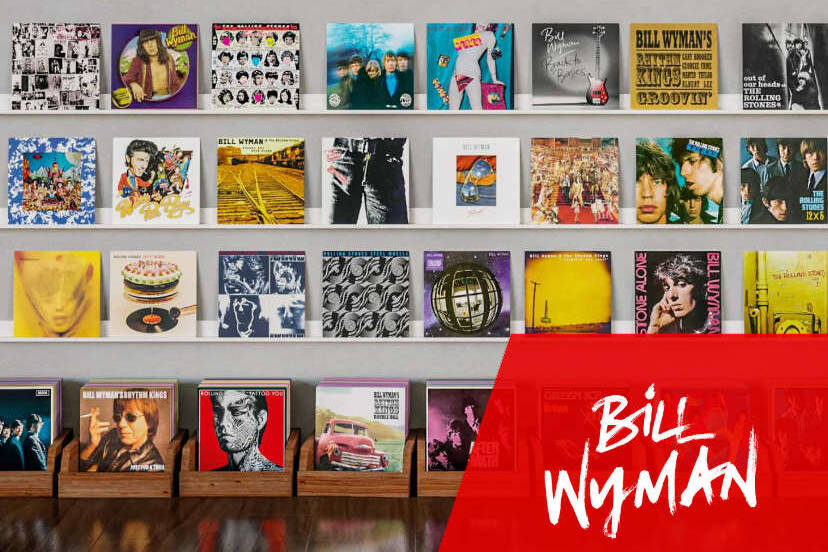
Bill Wyman
Explore our web design and content marketing work with Bill Wyman, former bass player with the Rolling Stones. Full site design and build.

Ascentor
Discover our work with Ascentor. Learn how our web development delivered impressive results, driving Ascentor's online growth and success.

Orion Registrar, Inc.
Read our web development and migration case study detailing how Submerge transformed Orion Registrar's website with a focus on SEO.

ISO 9001
Building global search visibility for a certification leader – 312% organic traffic growth and 400% CTR boost in six months.

Laithwaites
Learn how Submerge worked with Laithwaites UK team boosting SEO, content strategy, and performance monitoring for success.
Crawl efficiency increasingly determines search visibility.
Search engines no longer process websites in an infinite or even manner. Large-scale platforms, ecommerce sites and content-heavy websites often generate huge volumes of low-value or duplicated URLs that dilute crawl efficiency and slow discovery of commercially important content.
Modern technical SEO increasingly focuses on helping search engines prioritise the right areas of a website. Strong crawl pathways, controlled indexation, efficient rendering and clear technical signals help search engines process websites more intelligently – improving discoverability across both traditional and AI-powered search environments.
9%
The amount that completely AI-generated content appears as no. 1 in SERPs.
56%
Of AI search responses come from third-party “witnesses” rather than brand-owned sources.
44%
The percentage that owned media shapes total LLM responses.
96%
Of pages with no backlinks get under 300 monthly visits.
Source: ahrefs, Hard Numbers, Yext, Semrush

“Submerge is a fantastic agency to work with. They have helped us bring the brand to life, build multi-channel customer journeys and rethink how we communicate with customers.”
Ben Hitchock
Sales & Marketing Director, Riviera Travel
Say hello to Submerge

Matthew Bath

Lynn Wright

Marc Bodger

Aimee Lashko-Sayers

Lara Palamoudian

Nicole Percival

Jesse Hopkins
Technical expertise built for large-scale search infrastructure.Book a consultation
Discover our latest guides, advice and insights
for crawl optimisation and indexation strategy.

0 Comments22 Minutes
SEO copywriting checklist for in-house editors
Improve your in-house content with a practical SEO copywriting checklist that improves clarity, search visibility and…

0 Comments17 Minutes
Your guide to the new Google search bar in 2026
Google underwent a major update to keep up with changing search behaviour. Learn how this could impact your business and…

0 Comments17 Minutes
What Google’s new AI version of search means for your business’s visibility
Google Search is changing to better fit its users' changing needs and expectations. Learn how this change will impact your…
Indexation and crawlability FAQs
Crawl budget refers to the amount of crawl activity a search engine allocates to a website over a given period of time.
Search engines do not crawl every page of every website equally. Crawl allocation is influenced by factors such as site authority, technical health, update frequency, server performance and perceived content value. Large or technically inefficient websites often waste crawl budget on duplicate URLs, parameter variations, faceted navigation or low-value pages.
Effective crawl budget optimisation helps search engines prioritise important content and improves how efficiently websites are processed and refreshed within search indexes.
Related expertise:
- Crawl optimisation
- Large-site SEO strategy
- Log file analysis
Indexation refers to the process by which search engines store and organise webpages in their searchable index.
A crawled page is not automatically indexed. Search engines evaluate technical quality, duplication, authority, canonical signals and content value before deciding whether a page should appear within search results.
A strong indexation strategy helps search engines understand which pages should be prioritised, consolidated or excluded from search. Poor indexation controls can dilute authority, create duplicate content issues and reduce visibility across key sections of a website.
Related expertise:
- Indexation strategy
- Canonicalisation management
- XML sitemap optimisation
Crawl inefficiency often occurs when search engines spend excessive crawl resources processing low-value, duplicate or technically problematic URLs.
Common causes include:
- faceted navigation bloat
- excessive URL parameters
- duplicate content pathways
- broken internal linking
- poor architecture
- redirect chains
- weak canonicalisation
- inaccessible rendered content
On large websites, crawl inefficiency can significantly delay indexation of important content updates and reduce how effectively search engines process key commercial pages.
Related expertise:
- Crawl pathway analysis
- URL structure optimisation
- Crawl waste reduction
Log file analysis examines server logs to understand how search engine crawlers interact with a website.
This provides direct visibility into crawl behaviour, crawl frequency, bot prioritisation, response codes, inaccessible URLs and wasted crawl activity. Log analysis is particularly valuable for large or enterprise websites where crawl efficiency significantly affects visibility and indexation performance.
By analysing crawler behaviour directly, businesses can make more informed technical SEO decisions around architecture, crawl pathways and indexation controls.
Related expertise:
- Crawl budget management
- Enterprise technical SEO
- Rendering optimisation
Canonical tags help search engines understand which version of similar or duplicate content should be treated as the preferred indexable URL.
Poor canonical implementation can create indexation confusion, dilute authority signals and increase crawl inefficiency. Incorrect canonicals may also unintentionally exclude important pages from search indexes.
A strong canonicalisation strategy helps consolidate authority, reduce duplication and improve search engine understanding across complex websites.
Related expertise:
- Canonicalisation strategy
- Duplicate URL consolidation
- Indexation optimisation
Modern search engines increasingly render JavaScript when processing webpages, but rendering introduces additional complexity and resource requirements.
Heavy JavaScript frameworks, delayed rendering, blocked resources or inaccessible rendered content can all reduce crawl efficiency and delay indexation. In some cases, important content may not be properly processed at all.
Technical SEO analysis helps identify rendering bottlenecks and improve the efficiency with which search engines access rendered content on modern websites.
LLMs and AI bots generally can’t process JavaScript, which means ineffective JavaScript use can render your content invisible for citation in AI search results.
Related expertise:
- JavaScript SEO
- Rendering analysis
- Technical accessibility optimisation
Faceted navigation allows users to filter and refine content dynamically across ecommerce and large-scale websites.
While useful for users, faceted navigation often generates large volumes of duplicate or low-value URLs, significantly reducing crawl efficiency and diluting index quality. Poorly controlled facets can overwhelm search engines with unnecessary crawl pathways.
Technical SEO strategies help control faceted URL generation using canonicals, parameter handling, crawl directives and internal linking optimisation.
Related expertise:
- Ecommerce technical SEO
- Crawl budget optimisation
- URL parameter management
Yes. AI-powered search systems still rely on accessible, structured and crawlable content when interpreting websites.
Weak crawl pathways, inaccessible rendering or fragmented architectures can reduce the effectiveness with which AI systems process and understand content. Strong crawl optimisation helps improve technical discoverability across both traditional search engines and AI-driven discovery environments.
As search evolves, technically accessible content structures are becoming increasingly important for machine interpretation and contextual understanding.
Related expertise:
- AI & LLM visibility
- Technical SEO foundations
- Machine-readable architecture
If you’re not visible
nothing else matters.
Let’s understand where you stand today – and where the opportunities are.
Get in touch and let’s chat about your project.